Leucanthemum × superbum 'Goldfinch'
Overview
Uses: Mixed perennial borders, cottage gardens, mass plantings, cut flower gardens, containers, and pollinator gardens.
Benefits: One of the deepest yellow Shasta Daisies available, with semi-double blooms that open bright lemon-yellow and gracefully fade to ivory as they age, delivering weeks of evolving color on a compact, sturdy frame.
USDA Hardiness Zones: 5–9
Sun: Full Sun
Life Cycle: Hardy Perennial
Growth Habit: Upright, Mounding — compact dome with sturdy stems.
Bloom Color: Yellow to Cream
Foliage Color: Dark Green
Mature Height: 19–24 in.
Mature Width: 18–24 in.
Bloom Season: Summer
Growth Rate: Moderate
Summary
Most Shasta Daisies are known for classic white petals, but 'Goldfinch' rewrites expectations with rich, lemon-yellow semi-double blooms that light up the summer garden like no other cultivar in the species. It is one of the most intensely yellow Shasta Daisies bred to date, and the color holds for weeks before softening to a warm ivory — giving a single planting two distinct looks across the season.
Flowers emerge in early to midsummer atop strong, upright stems and continue through August in most climates. Each bloom carries a double row of slightly ruffled ray petals surrounding a golden center disk, creating a layered, textured appearance that stands out in borders and arrangements alike. As a cut flower, stems hold well in water and bring that same saturated yellow indoors.
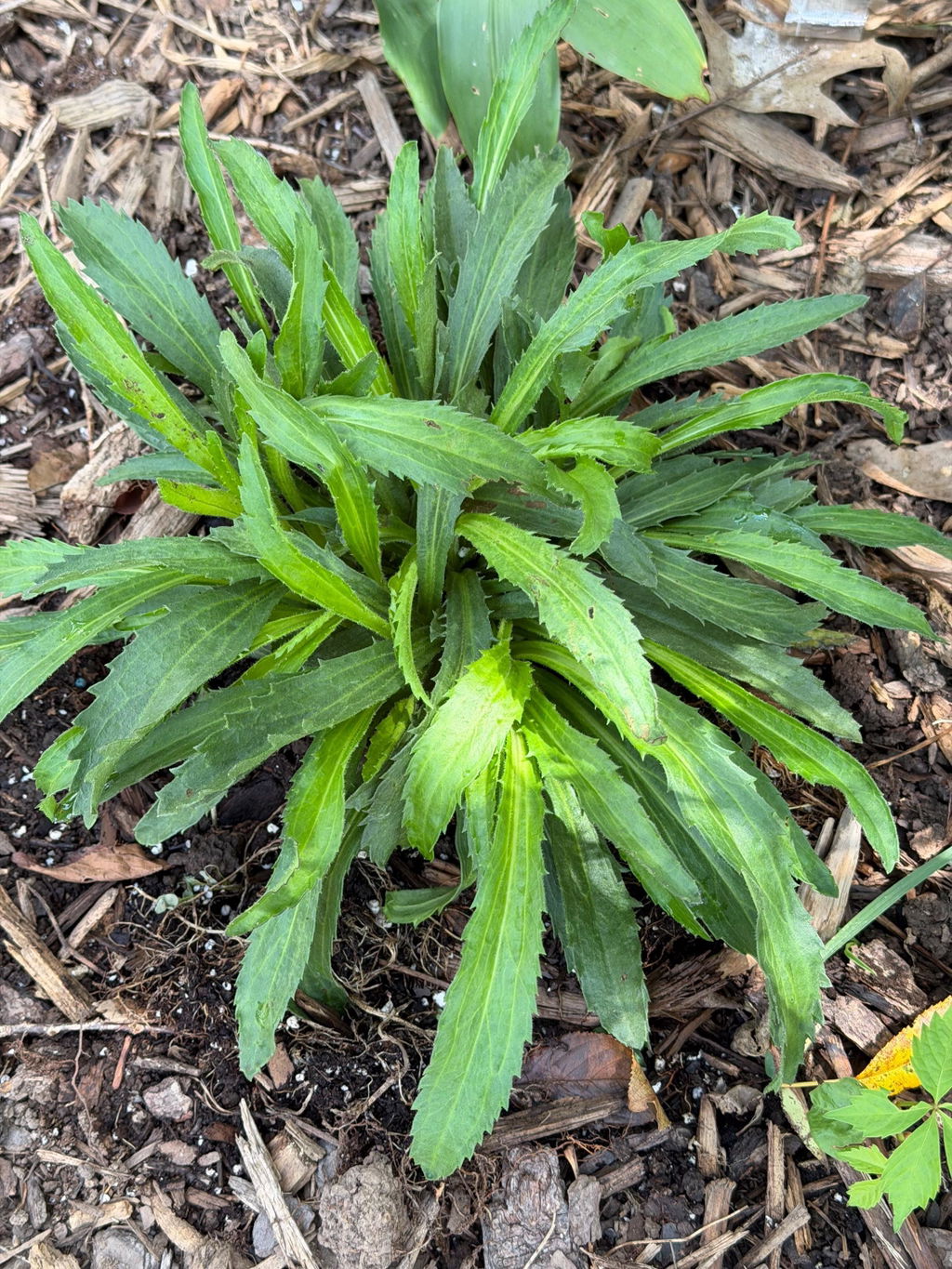
Below the blooms, dense mounds of coarsely toothed, dark green foliage provide a clean backdrop that stays attractive even when the plant is not in flower. The compact habit — topping out around two feet tall and wide — keeps 'Goldfinch' well-proportioned in the front to middle of a perennial bed without the flopping that can plague taller Shasta selections. Bees and butterflies visit the flowers readily, making this cultivar a strong addition to pollinator-focused plantings.
Care
Shasta Daisy 'Goldfinch' Care
Plant 'Goldfinch' in full sun for the strongest stems and most prolific bloom. While it tolerates a few hours of afternoon shade, flower production and stem strength are noticeably better with at least six hours of direct sunlight.
Soil should be average to moderately fertile and well-drained. This cultivar adapts to loam, sandy, and even clay soils as long as standing water does not collect around the roots. Heavy or waterlogged soils invite root rot and crown decline — if drainage is a concern, amending with compost or planting in a raised bed will help.
Water regularly during the first growing season to establish a deep root system. Once established, 'Goldfinch' handles average moisture well and tolerates brief dry spells, though consistent summer irrigation during extended heat will keep foliage fresh and support continued flowering.
Feed once in early spring with a slow release fertilizer to support strong growth and heavy bloom set. Avoid heavy feeding, which can produce lush foliage at the expense of flowers.
Deadhead spent blooms regularly to encourage continued flowering through the season. In late fall, cut back spent stems to the basal foliage. Divide clumps every two to three years in early spring or fall to maintain vigor and prevent the center of the plant from thinning out.
Size
What Size is the Shasta Daisy 'Goldfinch' for Sale Online?
The Shasta Daisy 'Goldfinch' ships in a greenhouse-grade grow pot with an established root system and healthy foliage. Plants may arrive with buds or blooms during the active growing season, depending on the time of year. For specific questions about current availability or shipping sizes, please contact us.
How Large Does Shasta Daisy 'Goldfinch' Grow?
At maturity, 'Goldfinch' reaches 19 to 24 inches tall (including flower stems) with a spread of 18 to 24 inches. Its compact, mounding form fills in nicely within a single growing season and forms a dense clump over time.
Additional Information
What are some common names for this plant?
This plant is most widely known as Goldfinch Shasta Daisy. The broader species group is commonly called Shasta Daisy, a name that dates back to Luther Burbank's original hybrid work near Mount Shasta, California in the 1890s.
What makes Shasta Daisy 'Goldfinch' different from other Shasta Daisies?
While most Shasta Daisies produce white petals, 'Goldfinch' is considered one of the deepest yellow selections in the species. The semi-double flower form adds visual depth, and the blooms transition from bright lemon-yellow to ivory as they age — a trait that gives the planting a layered color effect without any additional effort. It also stays more compact than many classic selections like 'Becky,' making it a better fit for smaller gardens and container plantings.
Does Shasta Daisy 'Goldfinch' attract pollinators?
Yes. The open-centered blooms are visited regularly by honeybees, native bees, and butterflies throughout the summer flowering period. Planting 'Goldfinch' alongside other summer-blooming perennials creates a reliable pollinator corridor during the warmest months of the year.
Is Shasta Daisy 'Goldfinch' deer resistant?
Shasta Daisies, including 'Goldfinch,' are generally resistant to browsing by deer and rabbits. While no plant is completely immune, this cultivar is rarely a first choice for wildlife and performs well in landscapes where deer pressure is a concern. For additional options, explore our collection of deer-resistant perennials and grasses.
Can Shasta Daisy 'Goldfinch' be grown in containers?
Yes, and its compact habit makes it well suited for patio pots and raised planters. Use a well-drained potting mix and ensure the container has drainage holes. Container-grown plants will need more frequent watering than those planted in the ground, especially during summer heat. Feed with a slow release fertilizer at the start of the growing season. Plants hardy in the ground may require winter protection when grown in containers in colder zones.