From Almanac, with care...
We're a small, woman-owned business with a deep focus on product quality and customer satisfaction. Our plants are grown with love and packed with happiness!


We offer optional handwritten gift tags to help personalize your gift.
To include a gift tag:
We’ll then include your message with the shipment. 😊
Add a Gift Tag →
To have us hold this plant after purchase (for shipping at a later date), simply add it to your cart then ask us to do so in the “Leave a Note With Your Order” section of the shopping cart prior to checking out. Please contact us for more information.

We're a small, woman-owned business with a deep focus on product quality and customer satisfaction. Our plants are grown with love and packed with happiness!
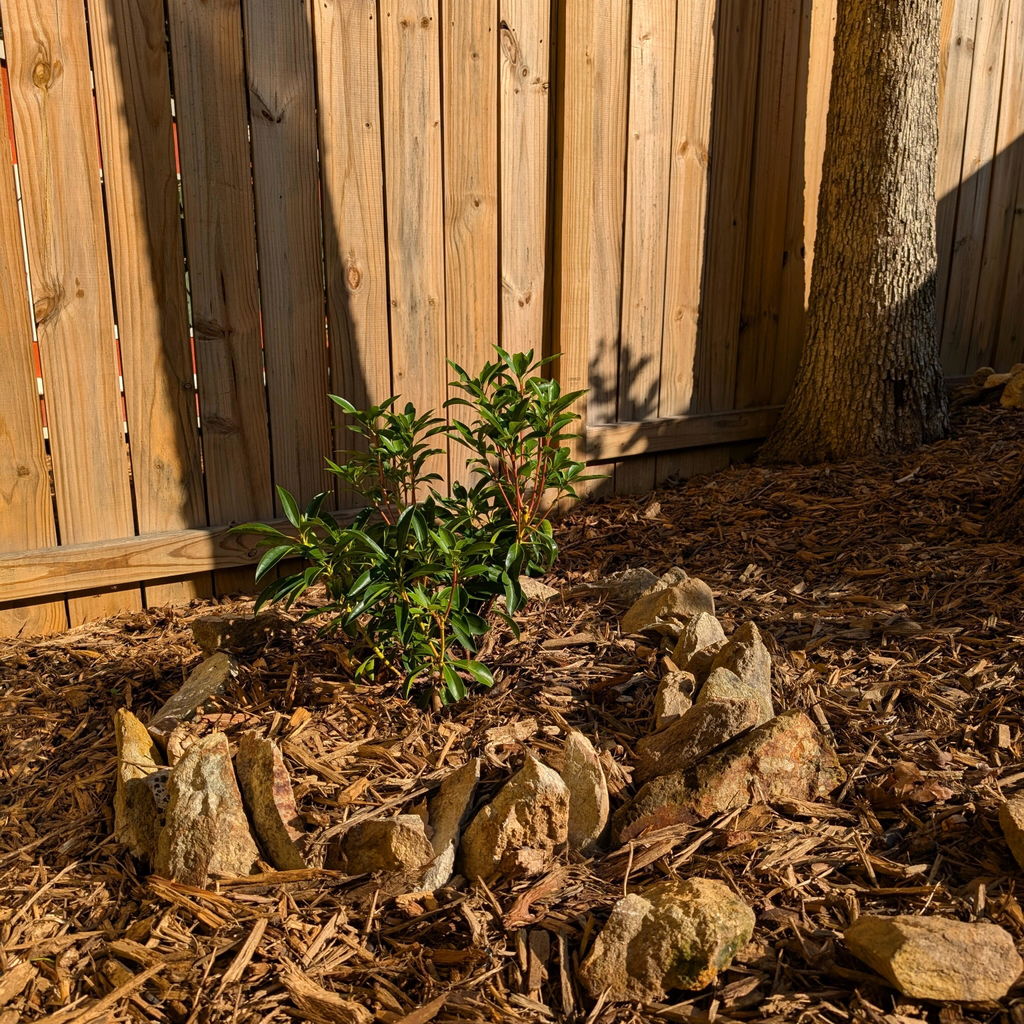
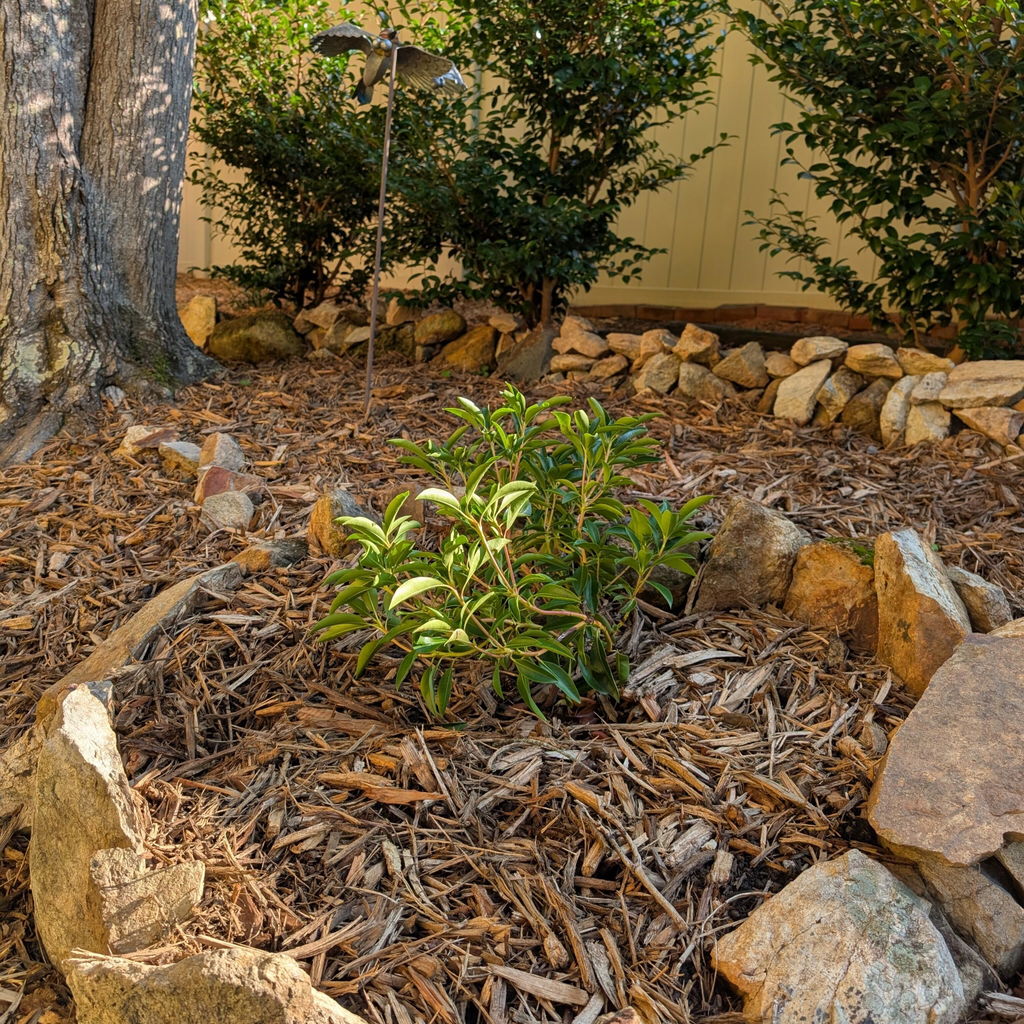
Really adore the Keepsake mountain laurel I received from Almanac planting. The plants arrived with healthy, clean leaves and stems. The box it was shipped in didn't survive the ground shipping well, but the plants were undamaged. So happy about that! At first, I thought the root ball was not compact or well formed, but Almanac told me these particular plants have a more thready root system. They have been planted for a few weeks now and are thriving. They weathered a horrible bout of flooding on top of record-breaking heat. These plants are going to be special focal points in my garden for a long time. Thanks, Almanac, for helping me learn how to be a better gardener.
Thanks so much for your feedback, Laine—we’re really glad to hear your Keepsake Mountain Laurel arrived healthy and undamaged, even after a bit of a rough journey in transit. That’s always great news.
We appreciate your note about the root ball size. This plant was shipped in a 2-gallon pot, and while it may not have looked as densely rooted as some other species, that’s actually normal for mountain laurel. They naturally have finer, less aggressive root systems that don’t form compact soil balls like faster-growing or fibrous-rooted plants. We also regularly trim top growth to encourage strong underground development and reduce transplant stress.
We totally understand your expectations and appreciate the thoughtful review. If you have any questions about helping it settle in or thrive long-term, we’re always here to help.
The plant arrive and it is beautiful!! I thought I was ordering the mountain laurel that
grew 8to 10 feet but I ordered the one that grows to 4 to 5 feet. I just had to find a different spot to plant the shorter plant. I will probably order the kaleidoscope next spring after I see how well this ones does through the winter. This plant looks so healthy and beautiful!! Thank you.
Thanks so much, Susan! We’re thrilled to hear your ‘Keepsake’ Mountain Laurel arrived looking so healthy and beautiful. Totally get the mix-up on the size, but sounds like you found the perfect new spot for it!
We’re planning to add more Mountain Laurel varieties to the site over winter—so while we’re not sure yet if ‘Kaleidoscope’ will be one of them, there will be some new options to explore in spring. Really appreciate your kind words and support!
—Justin & the Almanac Planting Co. team
The mountain laurels were in perfect condition! Healthy and very well packaged.
Thanks so much for the lovely review! We’re thrilled to hear you’re loving your Keepsake Mountain Laurels and that they arrived in perfect condition. Thanks again for your support—we’re so glad they found a happy home!
I ordered a Purple Fountain Grass and a Mountain Laurel Keepsake, both were well wrapped and delivered in a timely manner. I absolutely love the purple and green combination of the fountain grass. Can't wait to see the beautiful flowers of the mountain laurel. Will definitely order from Almanac again.
Thanks so much for the lovely review, Lila! It’s hard to believe it’s already been almost a month since you received your Purple Fountain Grass and Mountain Laurel ‘Keepsake’—we hope they’ve been settling in beautifully! That purple and green combo is such a standout, and we can’t wait for you to enjoy the blooms from the laurel. We’d love to send more your way anytime!